We use cookies to ensure you get the best user experience on our website.Find Out More
Mobile apps, web apps, any platform. One shake, click, or tap gets you video reproductions, network logs, and everything developers need to fix issues fast.
Installation
Bugs
Crashes
Sessions


































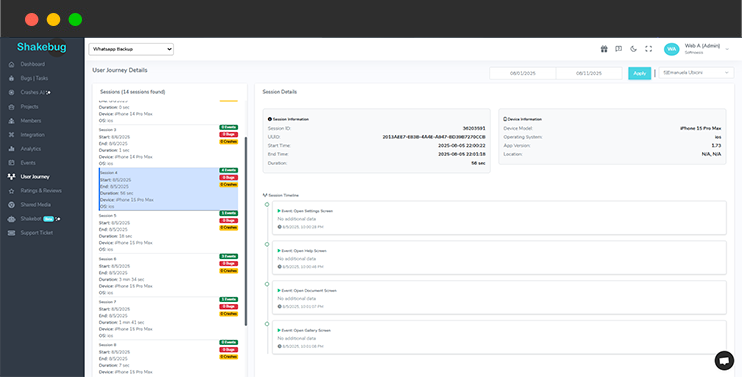
With Shakebug, you see bugs and the complete narrative. Get a clear timeline with our user journey, connecting sessions, events, bug reports, and crash data. See navigation, actions, and exact issue points. Fix issues faster and prioritize work with accurate, actionable insights in the same reporting and monitoring tool.
Wave goodbye to the hassle of sorting through countless identical crash reports. With Crash AI, our platform smartly organizes recurring crashes, presenting just one entry that includes all the essential details like the first occurrence, affected devices, OS versions, and much more.

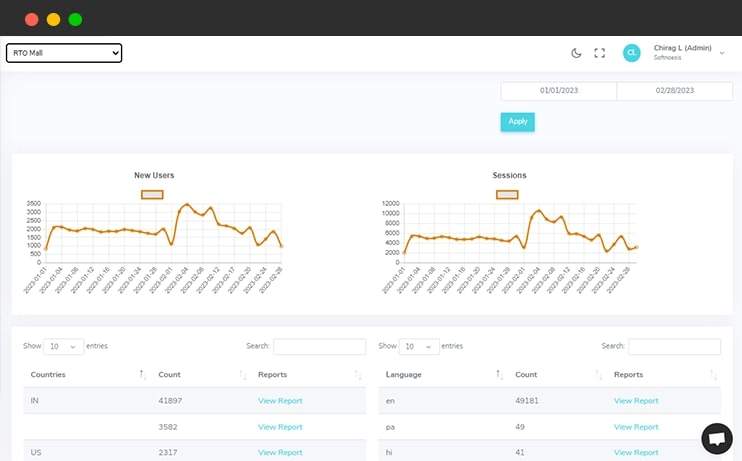
Along with bugs and crash reporting, Shakebug analyzes the application usage in different ways like session, language, countries etc. It also allows users to check analytics in the form of graphical representation over the selection period of time.
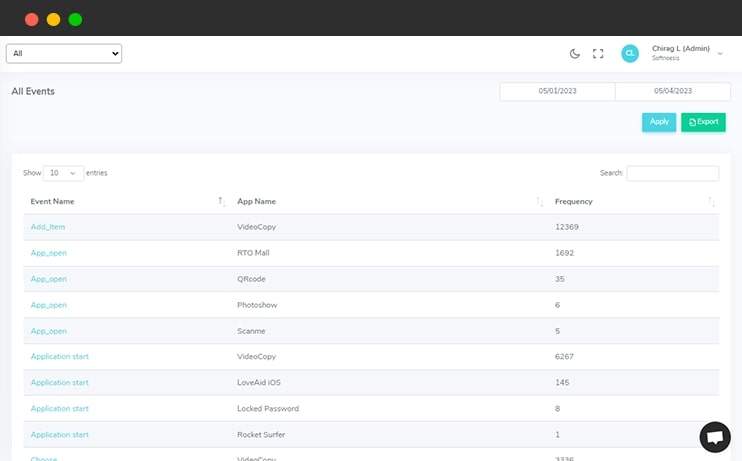
Developers/Users can add custom events and values for each action of the application easily where they want. In addition to this, users can also check the session of each event and value in graphical form as well.
Over 0 events tracked in action.
Shakebug helps users to highlight bugs by capturing the screenshot of the screen within a few clicks. This tool minimizes the bug reporting time for your tester and clients.
Shakebug will automatically report the crashes of applications whenever it occurs. Here users don't need to spend time for crash reporting.
The greatest tenderness surrounding the file was not in its pixels but in the conversations it sparked. At a community screening, a teenage graffiti artist — the one
The camera tracked a single street corner across an hour. Later, in a sequence that seemed stitched from separate takes, the same corner surfaced at dusk: a brownstone window casting a halo, the turning of a baker's sign, rain glossing the pavement. The "full" portion of the filename was true: the file contained more than a continuous scene. It contained a day in overlapping arcs—people moving through overlapping frames, the camera returning to the same faces with the patience of a friend who notices small changes.
Marin had been a junior archivist when she first encountered the file. She worked in a municipal archive that was half paper, half promise. City records, oral histories, old promotional reels and the movies that neighborhoods made about themselves lined the shelves and servers. A volunteer had delivered a boxed hard drive with a label in blue marker: "From the Eastside—cleanup. Important??" Inside sat a labyrinth of folders, duplicates, incomplete clips, and—at the root—archivefhdsone454_2mp4_full.
Marin played it on a battered station, expecting the usual: an old wedding, a parade, a graduation. Instead, the screen unfolded a neighborhood onto the screen like an offering, grain and hand-held steadiness giving everything a particular gravity. The footage was not professionally shot; it was shot with care. It began with a cracked stoop, then moved through a summer afternoon: children with tied shoelaces, an old man on a transom with a jug of iced tea, a storefront with a flaking mural, a teenager painting over letters on a wall, a woman in a cap lugging a crate of lemons. There was no commentary, only the repertoire of ordinary gestures that, when collected, fell into the register of history.
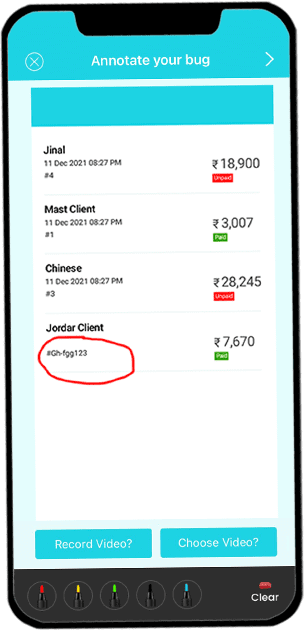
Open your application on your mobile phone and shake it. After that screen will appear where you can highlight the area of the bug.
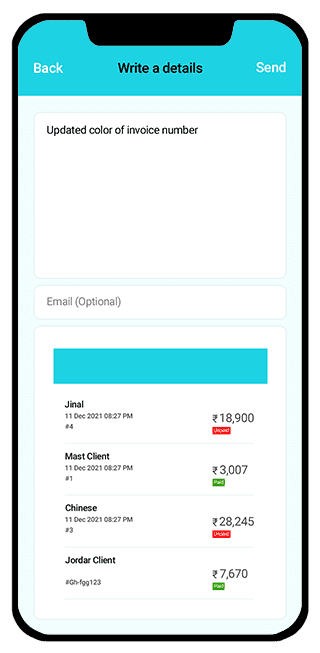
After highlighting the area, a screen will appear where the user can write a bug description which explains the details about bugs or issues.
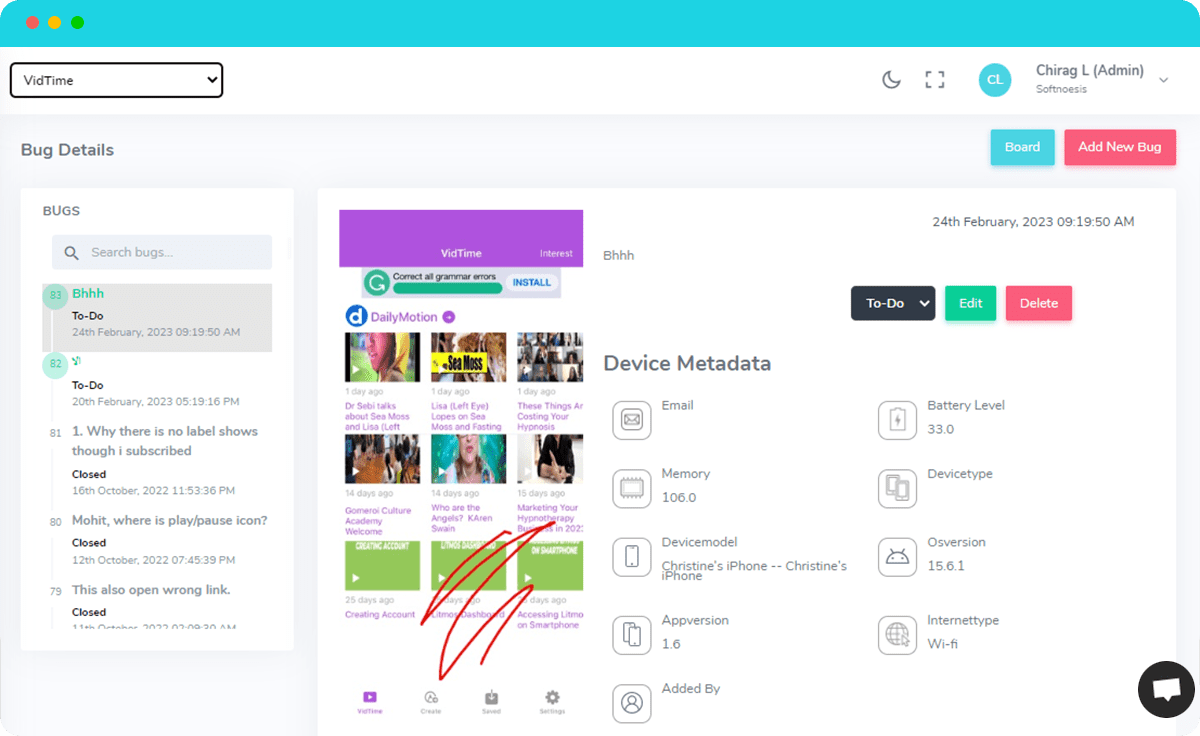
Once you report the bug, you will get the following screen with bug’s details along with device and OS information to your assigned developers. They can update its status when it is resolved.