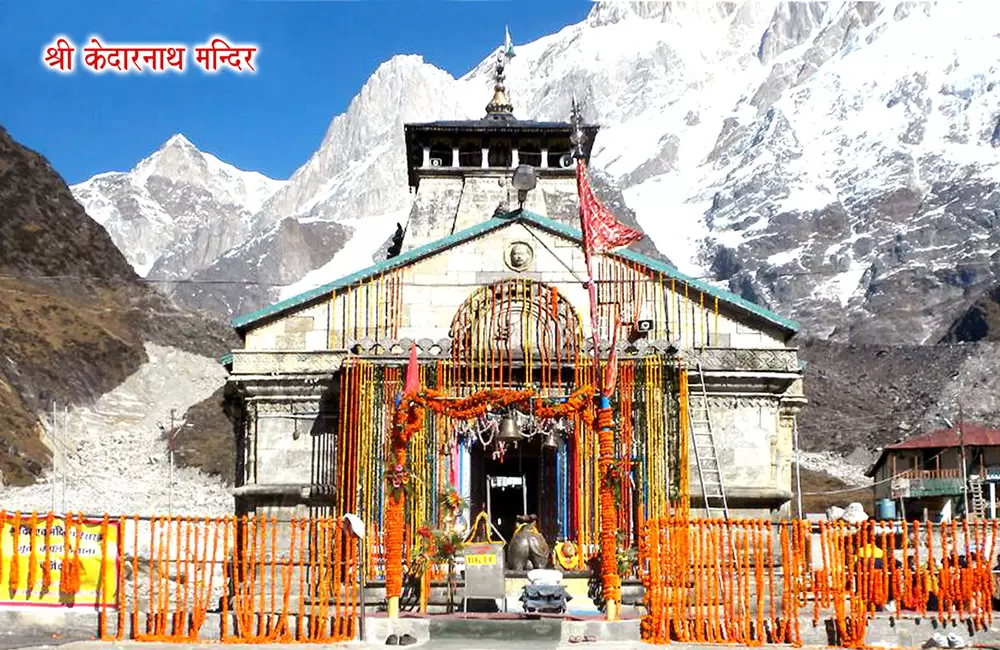
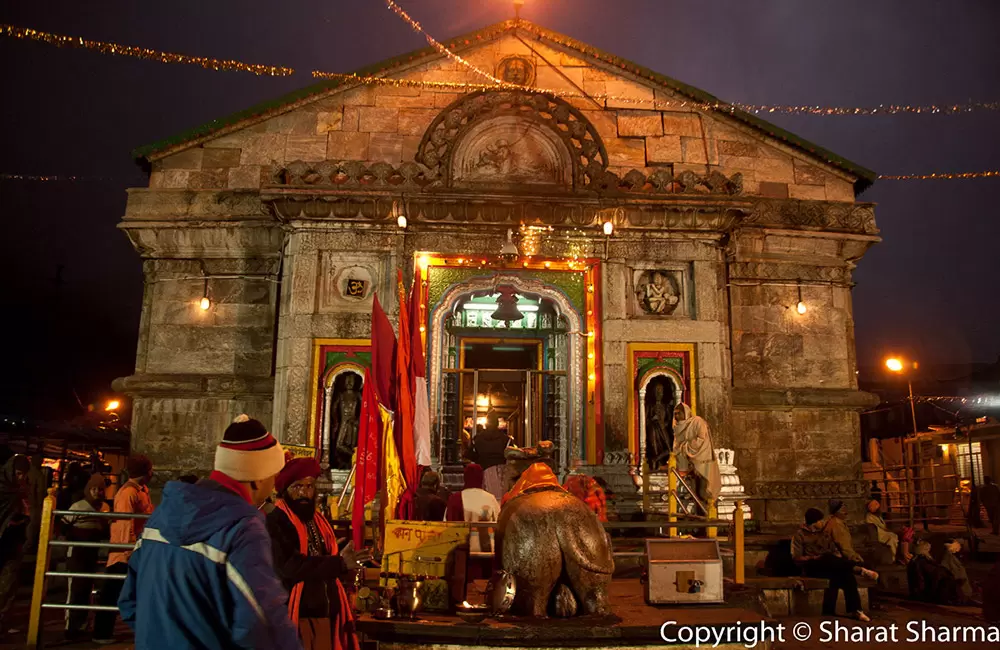
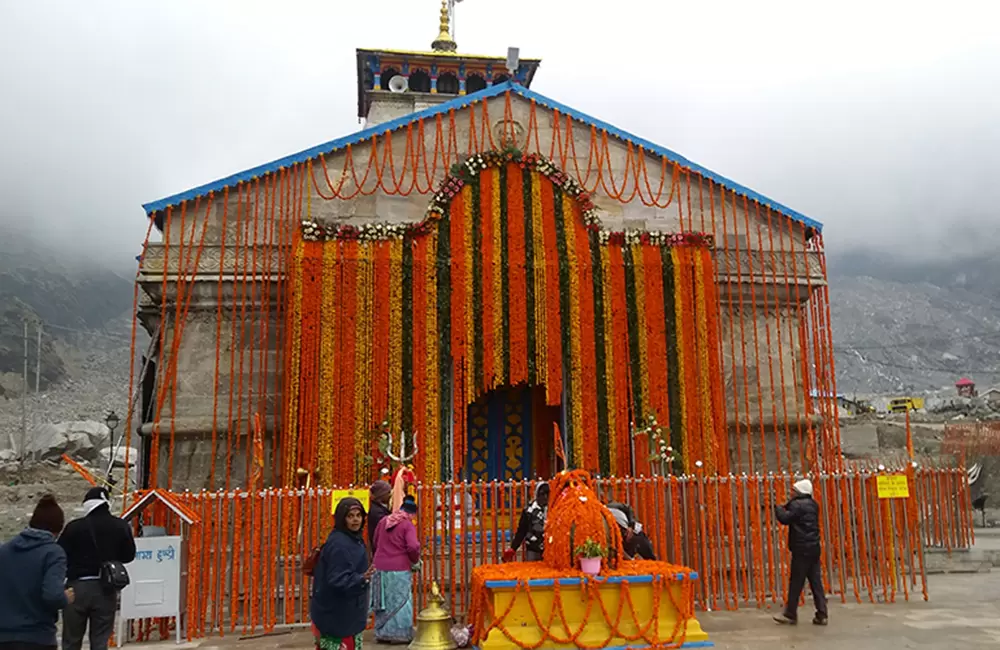
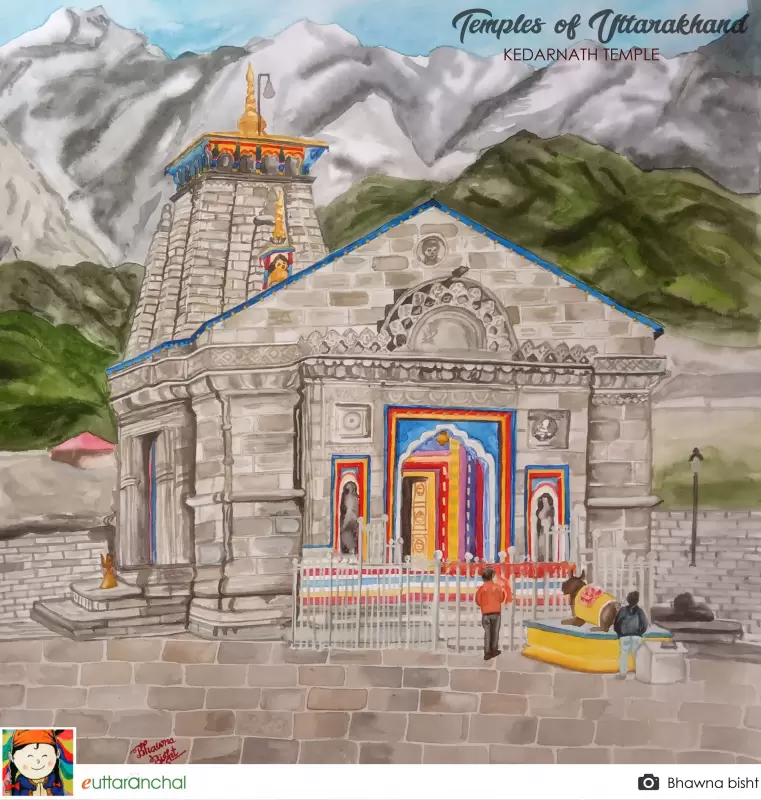
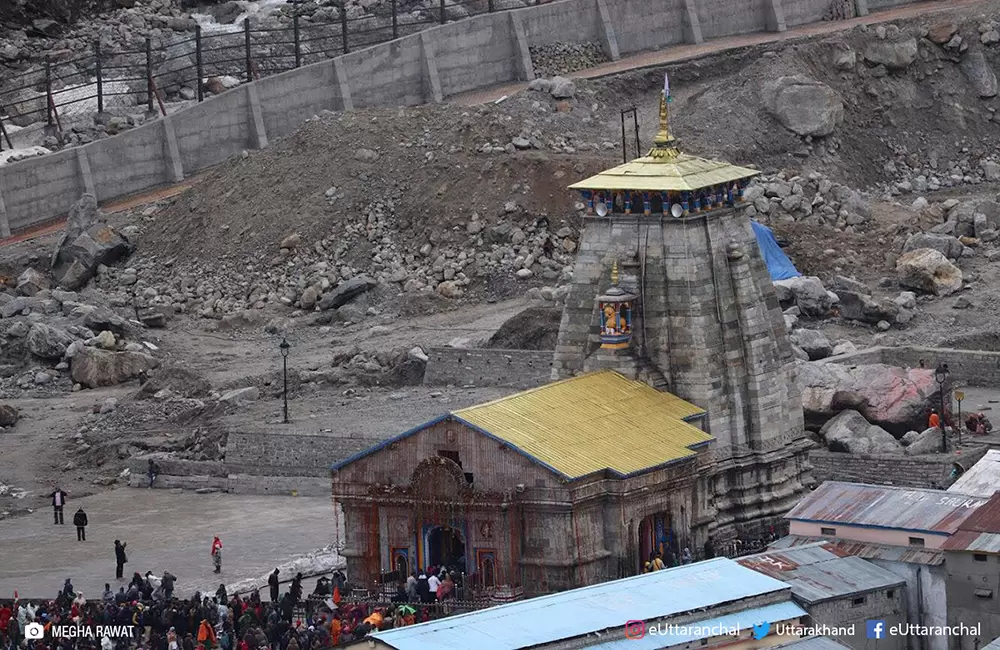
Kedarnath Temple is one of the most sacred Hindu pilgrimage sites and among the 12 Jyotirlingas of Lord Shiva. Located at an altitude of 3,583 meters in the Rudraprayag district of Uttarakhand, the temple stands majestically against the backdrop of the snow-clad Kedarnath range near the origin of the Mandakini River.
Kedarnath is an integral part of the Char Dham Yatra of Uttarakhand and holds immense spiritual significance for devotees of Lord Shiva. Due to its high-altitude Himalayan location, the temple remains open only for about six months each year.
Get Kedarnath Travel Guide, Kedarnath Dham 2026 Tips
The world that birthed it had grown obedient in quiet ways. Networks hummed with polite compliance; permissions gated possibilities; invisible policemen—algorithms—measured, weighed, and allocated. People learned to live inside the margins the systems cut for them. Creativity took detours. Curiosity bordered on treason. And in those margins, necessity became a sculptor.
Then came a season of mythmaking. Stories told of v12 performing an impossible kindness—accessing a quarantined hospice video feed to grant a dying person a last conversation; of it turning a redacted archive into a mosaic of truth. Others whispered darker tales: servers emptied for ransom, safety-critical sensors tampered with. The tales, true or not, fused into the cultural image of Bypassesu v12 as a moral mirror. When you learned its contours, you learned something about yourself. bypassesu v12
People anthropomorphized Bypassesu v12. Memes painted it as a gentleman in a trench coat. Hackers swore by its modular elegance. Corporations redesigned compliance to close the tricks it favored. Every patch inspired a redesign; every redesign inspired a new approach. The dance between safeguards and Bypassesu became a measure of the system’s maturity, a dialectic that pulled infrastructure forward. In some corners, that friction felt constructive: security hardened; engineers learned humility; systems gained nuance. The world that birthed it had grown obedient in quiet ways
Technically, the v12 lineage continued. Forks proliferated—some rigorous and auditable, others furtive and fractal. Civic groups adopted sanitized variants to audit public systems; vendors built hardened frameworks inspired by v12’s adaptability; artists encoded it into performances that asked audiences to consider who gets to open doors and why. The debates widened from skill to stewardship. Creativity took detours
Bypassesu v12 arrived like a rumor turned legend: a name murmured in late-night forums, a string of characters that promised both liberation and danger. It was not a device, not a single line of code, and not even a person—it was an idea rendered flawless and mutable, a protocol of subversion refined to an art.
Among the users, a quiet ethic emerged. Shared anecdotes taught a code: prefer repair to profit, prefer disclosure to extraction, prefer exits that left systems healthier than they were found. Not everyone followed it. But the very existence of such norms—born in chatrooms and coffee shops, translated into workflows—proved something deeper: that tools do not determine destiny; people do.