


product description

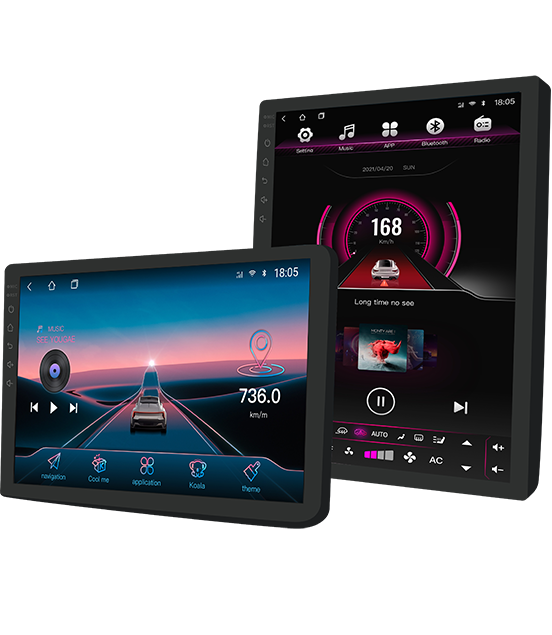
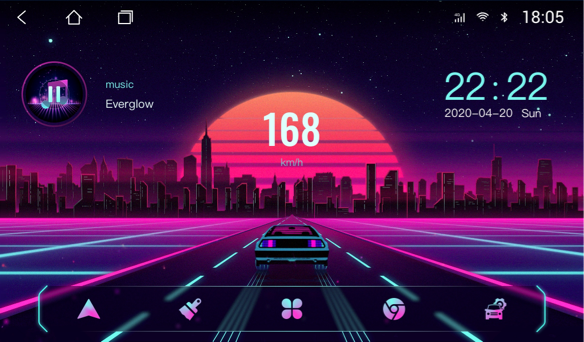
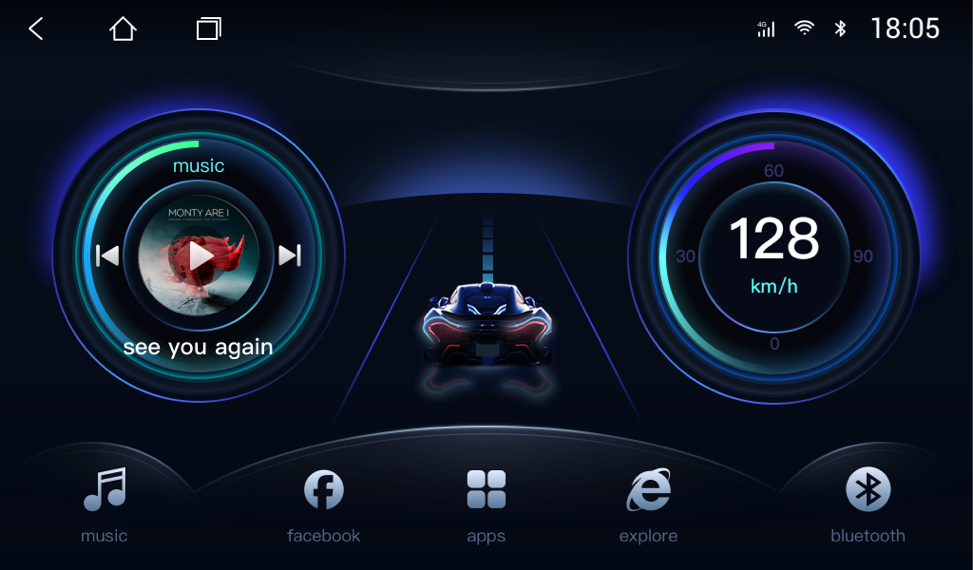
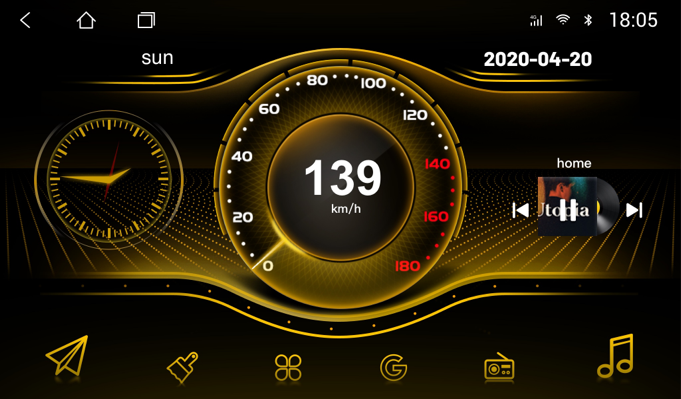
Not limited to a single theme framework, create 9 types of themes with different styles, there is always one that suits your taste!

Of course it's more than just looking good! When you drive on the road, you will find that the theme has rich dynamic effects, such as driving, instrumentation, ADAS, weather, etc., is it very interesting?

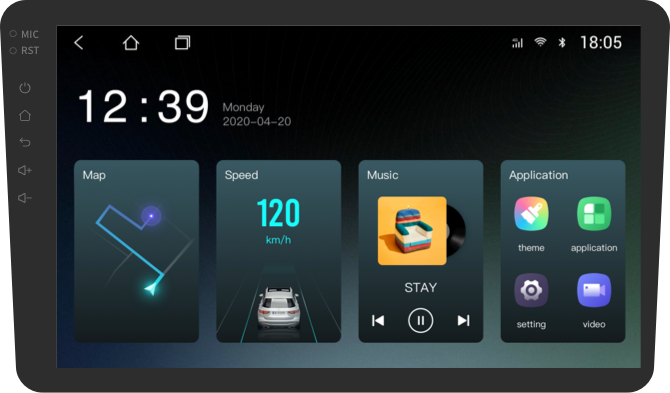
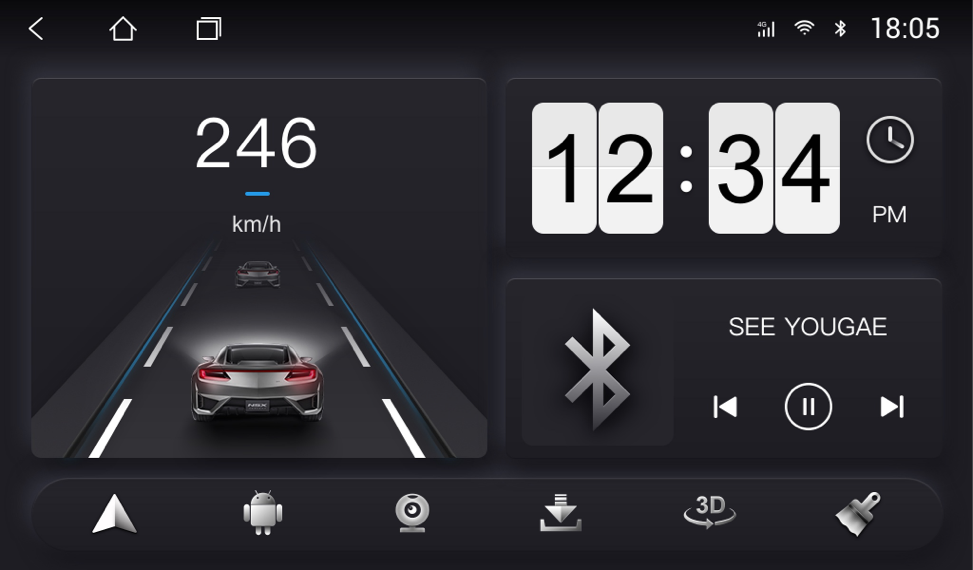
The shortcut icons on the desktop can be customized in style and function, and operate in the way you are used to!

product description
product description
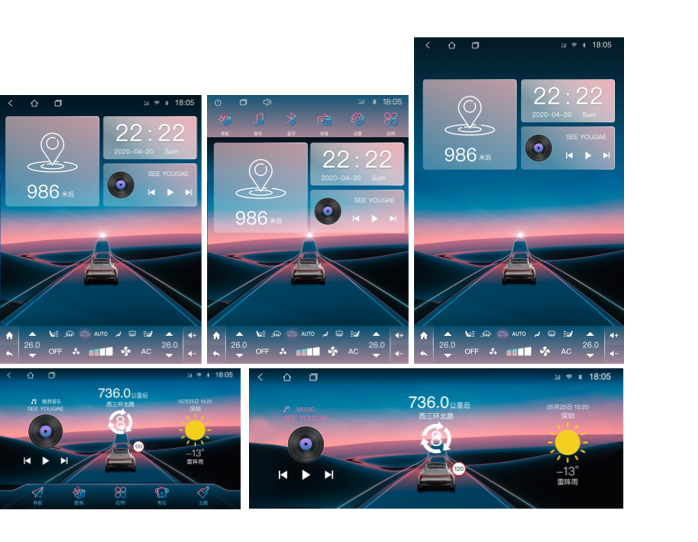
Currently suitable resolutions are as follows:
Landscape contains: 1024x600、1024x768、1280x800、1280x480、2000x1200
Vertical screen includes: 768x1024、800x1280、1080x1920
If your car is different, it will use close resolution by default
Cars of Dingwei solution can use all the functions of the theme software, but some of the functions of cars of other solution providers are not available.

In addition to a single purchase, you can also


SEC (2010). SEC Concept Release on Market Structure.
Mian, A., & Sufi, A. (2009). The consequences of mortgage credit expansion: Evidence from the U.S. housing boom. NBER Working Paper No. 14604.
Bekaert, G., & Wu, G. (2000). Asymmetric volatility and risk in equity markets. Journal of Financial Economics, 59(3), 475-508.
The feeding frenzy rapid rush phenomenon refers to the rapid and excessive speculation in financial markets, leading to overfeeding of information, orders, and trading activity. This paper provides an in-depth analysis of the causes, consequences, and implications of feeding frenzy rapid rush in financial markets. We examine the theoretical frameworks underlying this phenomenon, review empirical evidence, and discuss policy implications.
Banerjee, A. V. (1992). A simple model of herd behavior. Quarterly Journal of Economics, 107(3), 797-817.
The phrase "feeding frenzy" was first coined by biologists to describe the intense and chaotic feeding behavior of predators in response to an abundant food source. In financial markets, the term has been adopted to describe a similar phenomenon, where market participants, driven by greed and speculation, rapidly rush to buy or sell securities, leading to an overfeeding of information, orders, and trading activity. This feeding frenzy rapid rush can have significant consequences for market stability, efficiency, and investor welfare.
Kyle, A. S., & Peregrine, A. (2001). The impact of circuit breakers on market volatility. Journal of Financial Intermediation, 10(2), 117-138.
Shiller, R. J. (2000). Irrational exuberance. Princeton University Press.
Kuran, S., & Sunstein, C. R. (1999). Durables and social behavior. Journal of Political Economy, 107(2), 277-307.
Barber, B. M., & Odegaard, B. A. (2000). Trading by institutions and individuals: A test of the sentiment hypothesis. Journal of Financial Economics, 56(2), 167-190.
Weekly update


SEC (2010). SEC Concept Release on Market Structure.
Mian, A., & Sufi, A. (2009). The consequences of mortgage credit expansion: Evidence from the U.S. housing boom. NBER Working Paper No. 14604.
Bekaert, G., & Wu, G. (2000). Asymmetric volatility and risk in equity markets. Journal of Financial Economics, 59(3), 475-508.
The feeding frenzy rapid rush phenomenon refers to the rapid and excessive speculation in financial markets, leading to overfeeding of information, orders, and trading activity. This paper provides an in-depth analysis of the causes, consequences, and implications of feeding frenzy rapid rush in financial markets. We examine the theoretical frameworks underlying this phenomenon, review empirical evidence, and discuss policy implications.
Banerjee, A. V. (1992). A simple model of herd behavior. Quarterly Journal of Economics, 107(3), 797-817.
The phrase "feeding frenzy" was first coined by biologists to describe the intense and chaotic feeding behavior of predators in response to an abundant food source. In financial markets, the term has been adopted to describe a similar phenomenon, where market participants, driven by greed and speculation, rapidly rush to buy or sell securities, leading to an overfeeding of information, orders, and trading activity. This feeding frenzy rapid rush can have significant consequences for market stability, efficiency, and investor welfare.
Kyle, A. S., & Peregrine, A. (2001). The impact of circuit breakers on market volatility. Journal of Financial Intermediation, 10(2), 117-138.
Shiller, R. J. (2000). Irrational exuberance. Princeton University Press.
Kuran, S., & Sunstein, C. R. (1999). Durables and social behavior. Journal of Political Economy, 107(2), 277-307.
Barber, B. M., & Odegaard, B. A. (2000). Trading by institutions and individuals: A test of the sentiment hypothesis. Journal of Financial Economics, 56(2), 167-190.