Things to Do in Tampa Bay in a Day
I was recently in Orlando, Florida for a conference and had another conference lined up in Alabama shortly after. Since it’s quite the trek from…

Alex decided to take the plunge and start exploring the world of custom ROMs. The first step was to unlock the bootloader, a process that would allow the device to load unsigned software. This was a crucial step, as it would give Alex the freedom to install custom software.
After much deliberation, Alex decided to go with LineageOS. The ROM was known for its stability and performance, making it an excellent choice for a device like the MatePad 10.4.
The Huawei MatePad 10.4, a sleek and powerful tablet that had been gathering dust on a shelf for months. Its owner, a tech enthusiast named Alex, had grown tired of the device's limited software capabilities and the restrictive Huawei ecosystem. The tablet's potential was being wasted, and Alex was determined to unlock it. huawei matepad 10.4 custom rom
One day, while browsing through online forums, Alex stumbled upon a post about custom ROMs for the MatePad 10.4. The thread was filled with enthusiasts discussing various ROMs, kernels, and modifications that could breathe new life into the device. Intrigued, Alex dove deeper into the conversation, reading about the different options available.
The new ROM breathed fresh life into the MatePad 10.4. Alex could now access the Google Play Store, install a wide range of apps, and enjoy a more customizable interface. The device felt revitalized, and Alex was thrilled to have unlocked its full potential. Alex decided to take the plunge and start
There was the popular TWRP (Team Win Recovery Project), a custom recovery that allowed users to flash custom ROMs, kernels, and other mods. Then there was the OpenGApps project, which provided a set of Google apps that could be flashed onto a device, giving it access to the Google Play Store and other Google services.
After following a detailed guide on the XDA Developers forum, Alex successfully unlocked the bootloader. The next step was to install TWRP, which would serve as the gateway to flashing custom ROMs. After much deliberation, Alex decided to go with LineageOS
The installation process was smooth, with TWRP guiding Alex through the process of flashing the ROM and OpenGApps. Finally, the tablet rebooted, and Alex was greeted by the familiar sight of the LineageOS launcher.
With TWRP installed, Alex began to explore the various custom ROMs available for the MatePad 10.4. There was the popular LineageOS, a community-driven ROM that offered a clean and feature-rich Android experience. Then there was the more experimental OmniROM, which offered a wide range of customization options.

I was recently in Orlando, Florida for a conference and had another conference lined up in Alabama shortly after. Since it’s quite the trek from…

I’ve stayed at a few different properties at Walt Disney World, some in each category. For new visitors it can be hard to understand all…
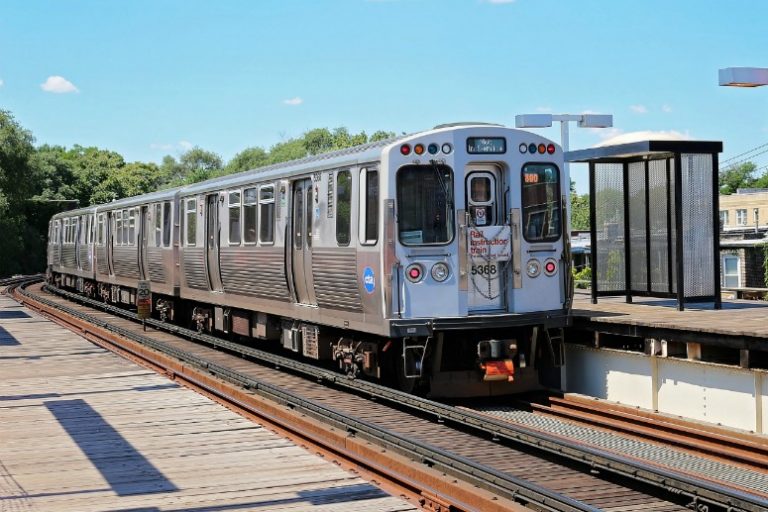
While our family has traveled by train in England for quick transport, we have yet to experience a long train journey. Often we’ve chatted about…

Looking for a great family getaway in Mexico? Read on for your chance to win a family vacation to the Westin Resort & Spa, Puerto Vallarta….

Safari Animals spotted! Today I’m going to share the photos I took while we went on a safari drive through the Chobe National Park in…

Located in the heart of Southern California, Buena Park is a vibrant city with fun attractions and activities. It’s known as SoCal’s Fun City! We…
What restaurant was the lobster mac-n-cheese from?
Hi Emilee, it was at Bagatelle in Key West.