Ss Olivia 05 White Sheer Mp4 | Official | 2025 |

Analyse your recordings
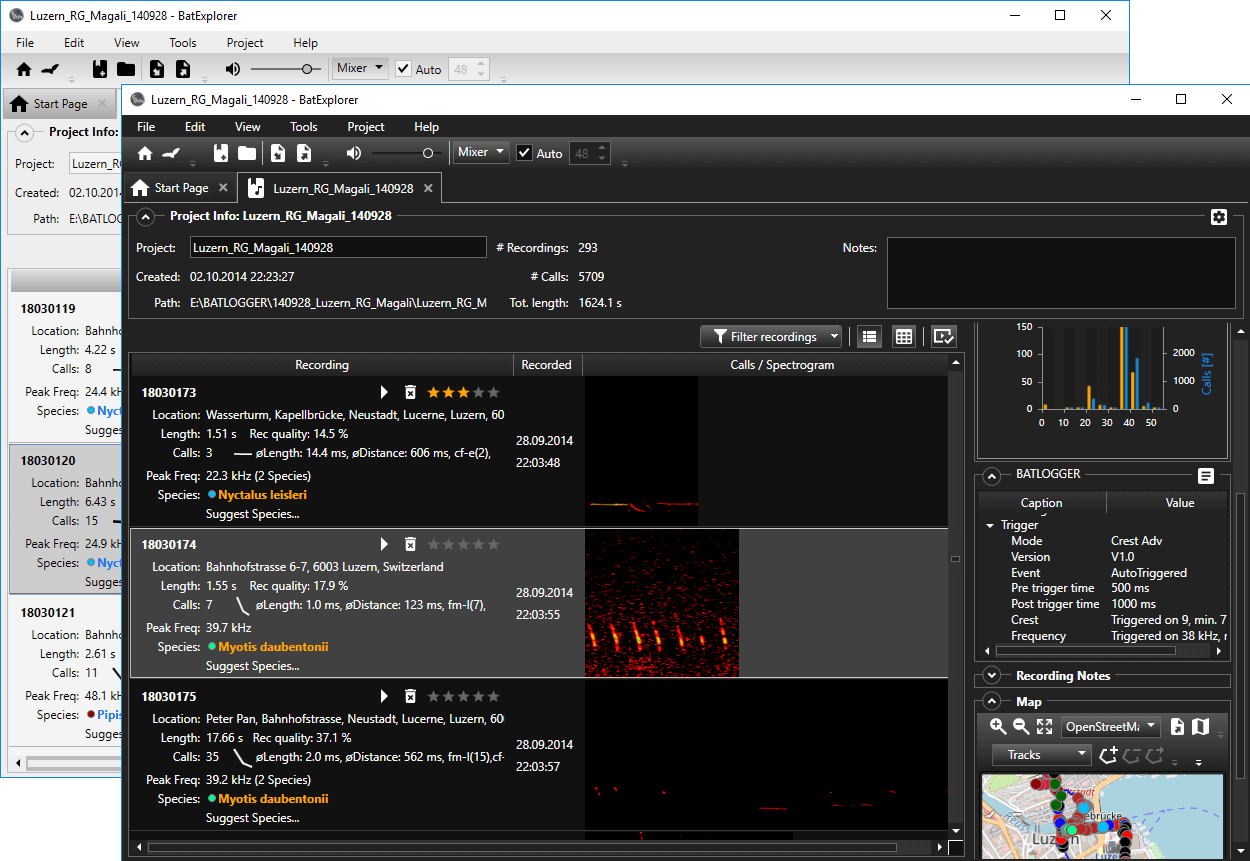
Organize recordings easily and fast
Automatic bat call detection
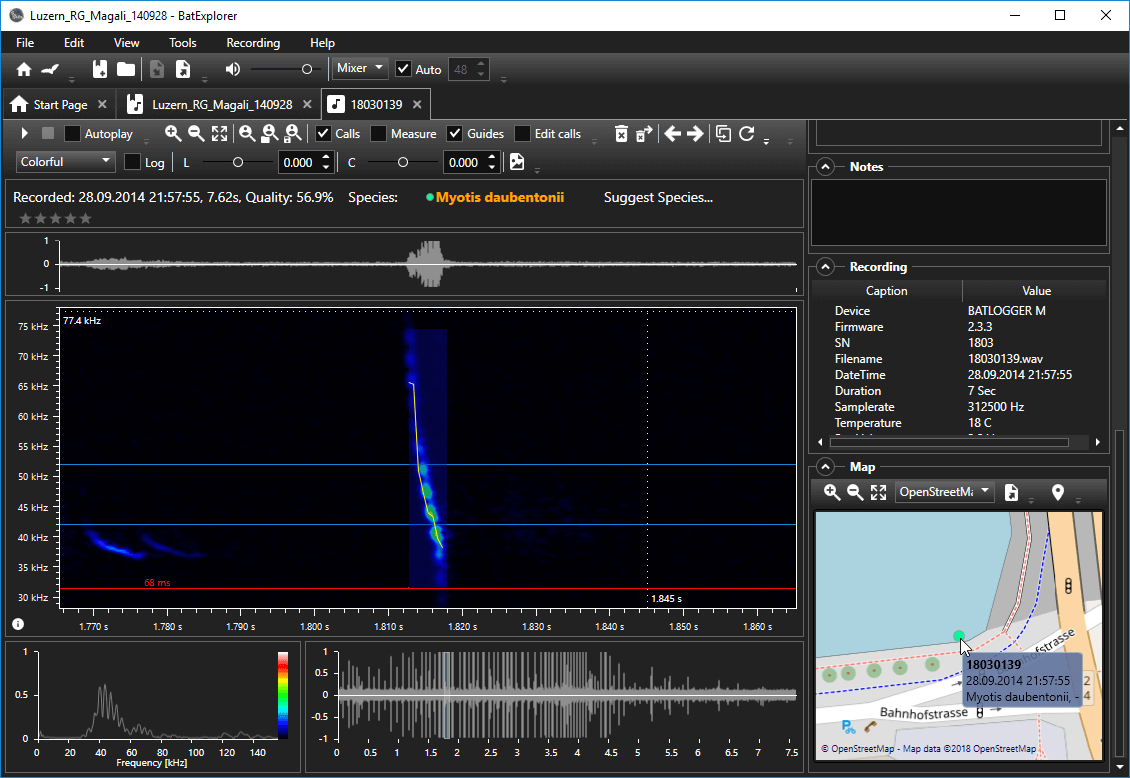
Listening, viewing and classifying recordings
Automate recurring actions with tasks
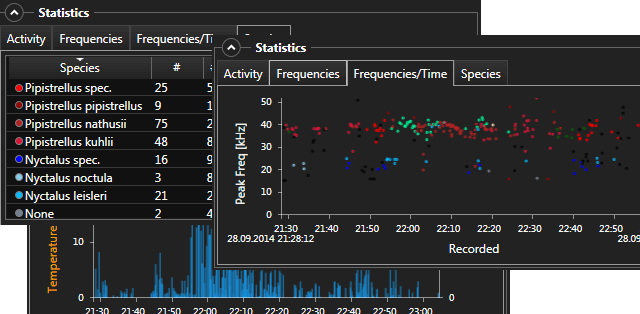
Bat species suggestions
Organize recordings easily and fast
Automatic bat call detection
Listening, viewing and classifying recordings
Automate recurring actions with tasks
Bat species suggestions

The letters told a story turned in on itself: an affair between the captain’s sister and a lighthouse keeper, a bargain struck with men who stitched time into objects, a promise to leave but a failure to get beyond the cove. The device was not only a recorder but a map of memory, a way to seal moments that could not survive the salt. The dress was not merely clothing but an anchor—white sheer because it was meant to be seen by those who would follow, not by those who would keep. "Find us," the voice had asked because the voices inside the chest could not leave without a witness.
They were careful. Elena learned how to forge a path inside a bureaucracy she had only ever seen from rain-splintered walls. Captain March called in favors from ports where he had been young and forgotful; crew members repaid old kindnesses. The SS Olivia’s engines hummed a new tone. Their voyage stitched lines on charts not for profit but for restitution.
Inside the crate lay a dress the color of moonlight. It was white sheer—so fragile it seemed like a memory. The fabric pooled in the box like captured fog, embroidered with tiny, almost imperceptible symbols. At first glance she thought it bridal: a garment for transition, for weightless declarations. But beneath the folds, pressed between layers, was a small device—circular, matte-black, with a lens like an unblinking eye. A label on its side bore the simple inscription: 05.
When they finally reached the Archive it was less a fortress than a series of innocuous warehouses along a fogged industrial complex—benign buildings with corporate logos and polite security. But the night air tasted like old paper and the idea of theft. They disguised the dinghies as delivery craft and mingled with night drivers. Inside, they found rows upon rows of crates: dresses, letters, devices like the one Elena had opened, each labeled with names, dates, and codes. Memory was stacked on shelves. ss olivia 05 white sheer mp4
The ring came free with a moist, ancient sound, and with it a box, carved and bound by salt. The crew drew their breath. Inside the box lay letters in a hand that sided between frenzy and devotion, each one sealed in wax. The topmost began, "Olivia, if you read this, the sea remembers you."
The projection was the first of many. Each night, the device unfolded a new fragment: an apartment with a dead lamp, a phone with a last unsent message, a child’s watercolor of a lighthouse. The footage was old and new at once; it had the washed-out hues of something recorded long ago and the clarity of present fear. Elena began sleeping in short shards, held by the device's images like a moth around a lantern.
The ship’s crew noticed changes. Elena's watch logs erred toward overcaution; she spent hours at the stern, staring at the sea as though it might answer her burning questions. Rumors spread like droplet paths along the deck. Someone said the crate had come from a private collector. Someone else swore it was contraband—artifacts trafficked by men who preferred things to people. The nebula of gossip settled on Captain March’s shoulders. He still remained immovable, but his evenings grew longer and his eyes farther away. The letters told a story turned in on
On the fifth night—the device marked itself "05"—the projections converged on a place: a cove cut into the island charts, unnamed and bracketed with a recent storm notation. In the images, the woman in white walked to that cove and bent to the water. She lifted something—a locket, a small brass compass—and lowered it into the tide. The voice whispered, "Beneath the seam."
Here’s a complete narrative as assumed: The sea kept its own counsel. Fog sat low on the water like a soft white blanket, swallowing the horizon until night and day were indistinguishable. The ship—SS Olivia—moved through that silence with a patient, old-iron grace, each groan of hull and pulley a sentence in some language the crew had stopped trying to translate. They were returning from a short supply run, a routine voyage that should have barely disturbed the world. Instead, the ship carried a single cargo crate and, tucked in the darkness of its hold, a secret that would not stay buried.
Elena's next projection was simple: the woman in white standing on a pier, a flicker of anger in her eyes. She lifted the dress and looked at the lens as though addressing the future, and the device gave a single untranslatable phrase: "Not for sale." "Find us," the voice had asked because the
Curiosity is a slow thing that eats away at you. For Elena, the curiosity grew threads: a muffled clink when the crate was shifted, a faint smell—linen and something else—drifting through the bulkheads on a humid night. It tugged at her until the night watch, when the deck hummed as a soft engine and the men slept with their boots braced against boxes, she found herself in the corridor with a borrowed crowbar and a throat full of questions.
Elena brought the ship to that exact seam of the map and found the cove cradled by cliffs that rose like a chorus. The landing rock was slick with algae; the ocean snapped like teeth at the shore. Below, the current worked in hidden sentences. They dropped anchor, the SS Olivia like a large heart inhaling. Captain March's jaw clenched with the presence of orders unspoken: search, retrieve, and do not let other eyes see.
The crate arrived three days into the voyage, offloaded in the steward’s compartment without signature and without fuss. It was wrapped in oilcloth, an anonymous block that didn't belong to any manifest. Captain March—bald, tobacco-stained teeth, the kind of leader who read the sea like scripture—locked it in the captain’s closet and said nothing. He was a man who made decisions like bills of weather: terse, inevitable.
The name struck Captain March like weather; Olivia. His expression changed, and for once he spoke without the brittle timbre of a man who kept things in. He had been crew aboard an earlier SS Olivia years before, he confessed, when the ship had been less a vessel and more a promise. The woman in the dress—his lost sister—had disappeared after a storm that everyone labeled an accident. The case had closed, the sea had swallowed names, and the rest of the crew had agreed to never speak of it. The returns the captain received each year—a crate with a dress, a device, the same folded letters—had become a ritual he tolerated as a penance someone else paid.
More information about the software can be found in the Online User Guide.