We collect cookies to better configure the services of the website. By consenting, you allow us to obtain anonymised statistical data. More information can be found here. Thank you!
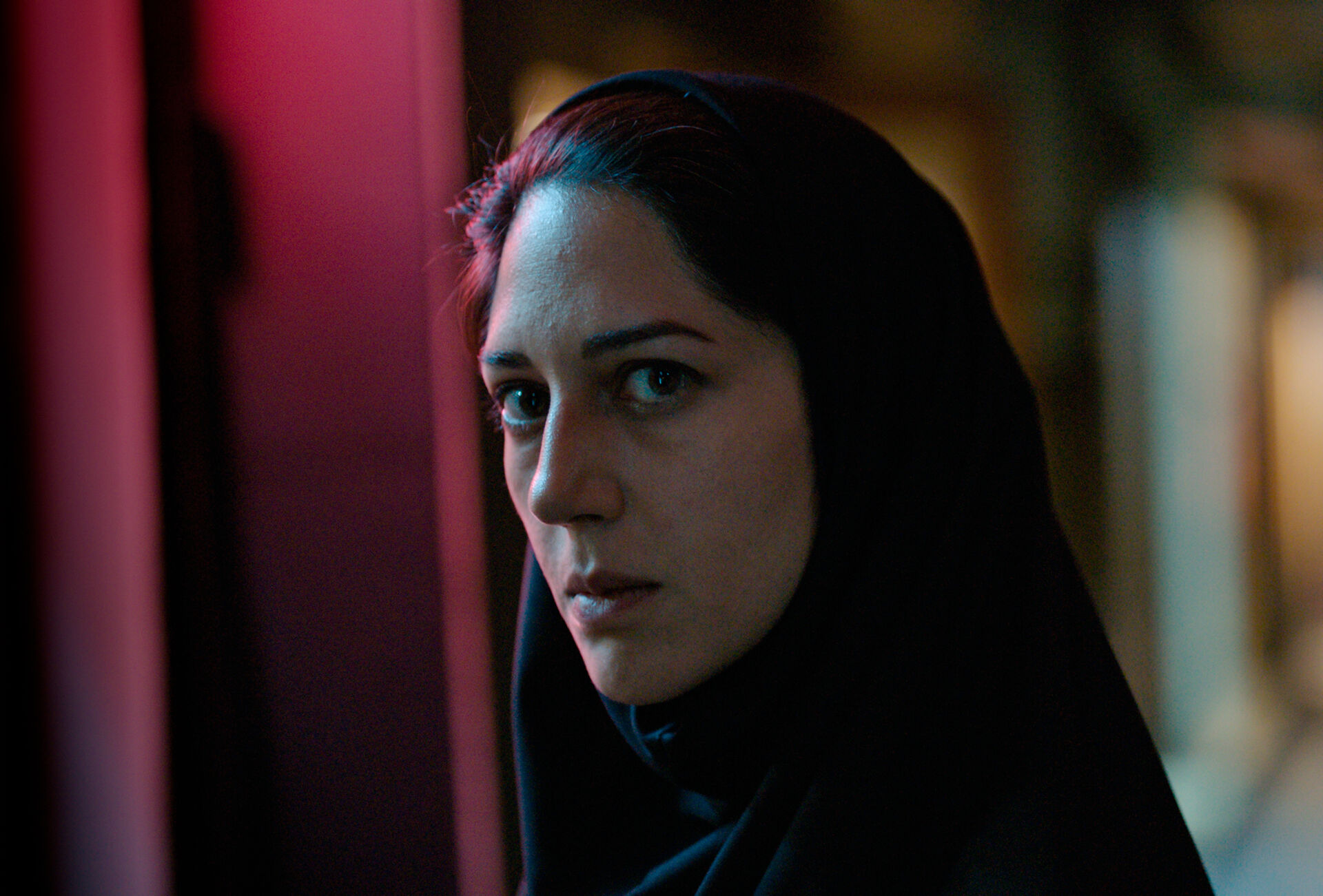
Ryan Keating zve na film Svatý pavouk
Transliteration: 'ty i ja shto Karin ne pidh UDP'
Alternatively, maybe they're asking for help with a technical problem related to UDP networking, and the Ukrainian part is a mistranslation or a specific context. The user might be trying to ask for a guide on something like "solid UDP setup" but wrote it in broken Ukrainian.
Alternatively, could "shti" be "sho" meaning "what"? Maybe "You and I, not under UDP?" Maybe the user heard the phrase in Ukrainian or another language and is asking for a translation. But the phrase doesn't make literal sense. Maybe they're asking for a guide related to networking (UDP) in Ukrainian? Or a guide about a band called Solid and UDP? tu ja shti karin ne pidh upd
Another angle: "Solid guide" refers to a comprehensive guide, and the Ukrainian phrase is a question or request. Maybe the user wants a guide translated or explained. If the phrase is "ti zmeni ne pidh UDP", that's "you changed me not for UDP". Not making sense.
Original phrase: 'tu ja shti karin ne pidh upd' Transliteration: 'ty i ja shto Karin ne pidh
I need to consider possible corrections. Maybe "pidh" is supposed to be "pid" which means "under", and "upd" is a typo for "UDP". So if the phrase is "Ти ж мене не під UDP", which could be "You didn't turn me up under UDP" but that's not a common phrase.
Since the user is asking for a "solid guide" with that phrase, perhaps the actual request is to translate the Ukrainian sentence or explain its meaning. Let me try to parse it again carefully. Maybe "You and I, not under UDP
But since I need to provide an answer now, I'll go with explaining that the Ukrainian phrase is unclear as written, offer possible translations or technical interpretations, and suggest possible corrections or further clarification from the user.
Given that, I should probably clarify with the user whether they want a translation, a technical guide related to UDP (if "UP D" is split differently), or if there's a specific topic they're referring to. Alternatively, the phrase might be a typo or a specific jargon they're using.
But the user might have made a mistake in writing the phrase. If it's a Ukrainian phrase, maybe it's meant to be "Ти ж мене не зрозумів, UDP" which would translate to "I didn't understand you, UDP". But the original is different.

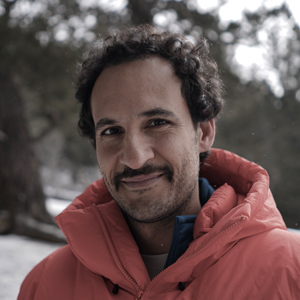
Ali Abbasi is a writer and director. He was born 1981 in Iran and left his studies in Tehran to move to Stockholm, where he graduated with a BA in architecture. He then studied directing at the National Film School of Denmark, graduating with his short film M FOR MARKUS in 2011. His feature debut, SHELLEY premiered at the Berlinale in 2016 and was released in the US. He is best known for his 2018 film BORDER, which premiered in Cannes, where it won the Prix Un Certain Regard. The film was chosen as Sweden’s Academy Award® Entry, was widely released internationally, won the Danish Film Award and was nominated for three European Film Awards including Best Director, Best Screenwriter & Best Film. He is currently shooting the TV adaptation of “The Last of Us” for HBO in Canada.
Watch Ali Abbasi's movie Border on Edisonline.